

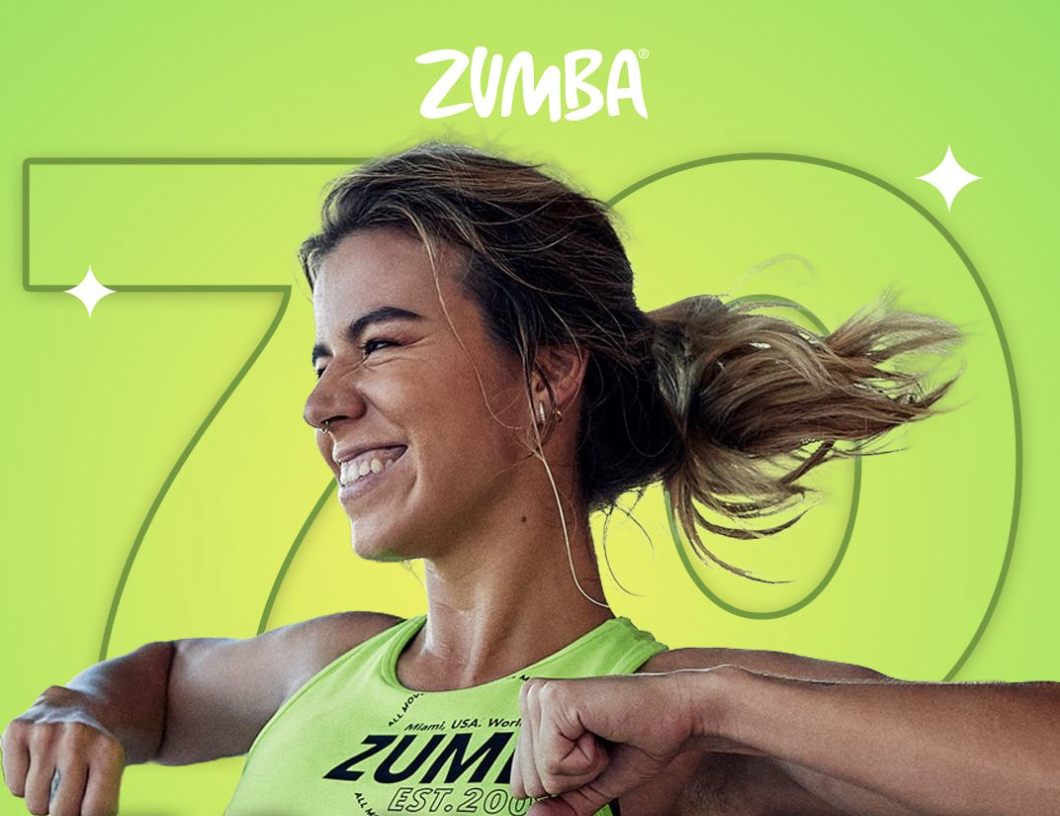
Twenty-five years ago, few could have predicted that a forgotten cassette tape would spark a global fitness phenomenon.
Yet that's exactly what happened.
The story has become fitness folklore. One day, Colombian fitness instructor Beto Perez arrived to teach an aerobics class only to realize he'd forgotten his traditional workout music. Thinking on his feet, he grabbed a collection of Latin music from his backpack and improvised an entirely different class. The participants loved it.
That happy accident eventually became Zumba.
Today, more than two decades later, Zumba has grown into one of the most recognizable fitness brands in the world, taught in gyms, community centers, schools, cruise ships, and health clubs across the globe.
So why is Zumba still thriving 25 years later while countless fitness trends have come and gone?
It Never Feels Like Exercise
One of Zumba's greatest strengths is that participants focus less on calories burned and more on having fun.
The class isn't about counting reps or watching the clock. Instead, participants become immersed in the music and movement. Before they know it, they've completed a challenging cardiovascular workout.
People return because they enjoy it—not because they feel obligated.
Music Comes First
Unlike many traditional group fitness formats, music isn't just background noise in Zumba—it's the workout.
Every beat drives the choreography. Every rhythm influences movement. Every song creates a different emotional experience.
The best Zumba instructors know that selecting music is just as important as learning choreography. A great playlist can energize a room, build anticipation, and inspire participants to move in ways they never imagined.
Music creates emotion, and emotion creates memorable classes.
It's Constantly Evolving
Another reason Zumba has remained relevant is its willingness to evolve.
Over the years, the program has embraced new musical styles, new dance trends, and specialized formats for different populations. Whether someone is a beginner, an active older adult, or a seasoned dancer, there's likely a Zumba class designed for them.
Rather than chasing every fitness fad, Zumba has stayed true to its core mission while adapting to changing tastes.
Community Keeps People Coming Back
Ask longtime Zumba participants why they still attend after years of classes, and many won't start by talking about fitness.
They'll talk about friendships.
They'll talk about smiling.
They'll talk about the instructor who knows everyone's name.
Successful Zumba classes become communities where people encourage one another, celebrate milestones, and simply enjoy moving together.
That sense of belonging is something no workout app can replace.
What Every Fitness Instructor Can Learn from Zumba
Even if you don't teach dance fitness, there are valuable lessons in Zumba's incredible longevity.
Great music creates memorable experiences.
Energy is contagious.
Participants remember how you made them feel.
Fun keeps people coming back.
Community is every bit as important as choreography.
Whether you teach cycling, strength training, yoga, HIIT, or dance fitness, those principles apply to every class.
Here's to the Next 25 Years
Fitness trends will continue to change.
Technology will evolve.
New workouts will emerge.
But as long as people enjoy moving to great music alongside others, dance fitness will always have a place.
Congratulations to Zumba on 25 years of helping millions of people discover that exercise doesn't have to feel like exercise.
Sometimes all it takes is the right song.
To learn how to teach Zumba and get 70% off , use Muscle Mix's code AFF2135909D and click here.