

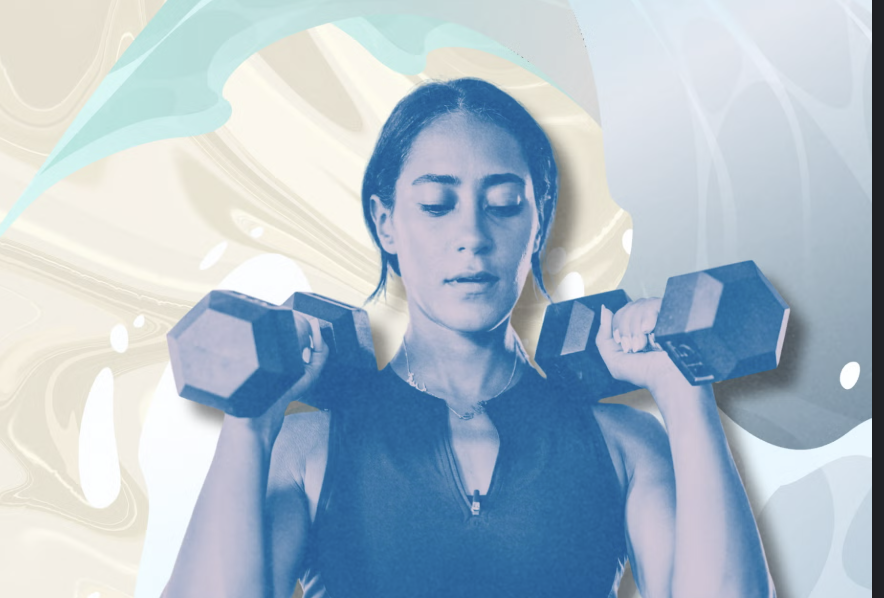
As fitness professionals, we spend a lot of time helping clients become stronger, leaner, and more confident. But one of the most valuable gifts we can give them may be something they can't even see: stronger bones.
Millions of adults—especially women over 50—are diagnosed with osteopenia each year. While the diagnosis can sound alarming, it doesn't have to be a one-way path to osteoporosis. The right exercise program can play a powerful role in maintaining bone density, improving balance, and reducing fracture risk.
Let's explore how.
What Is Osteopenia?
Osteopenia is a condition where bone mineral density is lower than normal but not low enough to be classified as osteoporosis. Think of it as an early warning sign that bones are becoming weaker.
The good news? Osteopenia is often manageable, and exercise is one of the most effective lifestyle strategies available.
Why Exercise Matters
Bone is living tissue. Just like muscles respond to resistance by becoming stronger, bones respond to mechanical stress by adapting and maintaining their strength.
When clients participate in regular weight-bearing and resistance exercises, they're sending a message to their bones:
"Stay strong—we still need you."
Research consistently shows that exercise can help:
Slow age-related bone loss
Maintain or modestly improve bone density in some individuals
Increase muscle strength
Improve posture
Enhance balance and coordination
Reduce the risk of falls—the leading cause of fractures in older adults
While exercise alone isn't a cure for osteopenia, it's one of the most important tools clients have for protecting their long-term bone health.
The Best Types of Exercise for Bone Health
1. Strength Training
Resistance training is one of the most effective forms of exercise for maintaining bone density.
Focus on:
Squats
Lunges
Deadlifts (appropriately modified)
Chest press
Rows
Overhead press
Step-ups
Aim for moderate to heavy resistance based on the client's ability, with progressive overload over time.
2. Weight-Bearing Cardio
Activities where the body supports its own weight help stimulate bones.
Examples include:
Brisk walking
Hiking
Dancing
Stair climbing
Low-impact aerobics
Tennis or pickleball
Swimming and cycling are excellent for cardiovascular health but provide much less stimulus for bone growth because they are not weight-bearing.
3. Balance Training
Preventing falls is just as important as building stronger bones.
Include exercises such as:
Single-leg balance
Tandem walking
Heel-to-toe walking
Stability exercises
Functional movement drills
Even five to ten minutes of balance work during each session can make a meaningful difference.
4. Functional Movement
Teach clients how to move well in everyday life.
Practice:
Safe lifting mechanics
Sit-to-stand movements
Carrying groceries
Reaching overhead
Getting up from the floor
These movements build confidence while reducing injury risk.
Exercise Considerations for Clients With Osteopenia
Most individuals with osteopenia can safely participate in resistance training, but proper technique is essential.
As a fitness professional:
Prioritize excellent form before increasing load.
Progress gradually.
Strengthen the hips, back, legs, and core.
Encourage consistency over intensity.
Collaborate with healthcare providers when clients have additional medical concerns.
If a client has progressed to osteoporosis or has a history of fractures, additional exercise modifications may be necessary.
Nutrition Still Matters
Exercise works best when paired with healthy nutrition.
Encourage clients to discuss with their healthcare provider whether they're getting enough:
Calcium
Vitamin D
Protein
These nutrients help support the body's ability to maintain healthy bones.
The Bigger Picture
One of the most encouraging things about osteopenia is that it's often discovered before serious fractures occur. That gives fitness professionals a tremendous opportunity to make a lasting impact.
Every squat.
Every step-up.
Every resistance band exercise.
Every balance drill.
They all contribute to helping clients stay independent, active, and confident for years to come.
Final Thoughts
As fitness professionals, we don't just build stronger muscles—we help build stronger lives.
By incorporating resistance training, weight-bearing exercise, balance work, and functional movement into your programming, you can help clients protect their bone health while improving strength, mobility, and overall quality of life.
Strong bones support active lives. And active lives are exactly what we're here to help create.
Disclaimer: This article is for educational purposes only and is not intended as medical advice. Clients with osteopenia, osteoporosis, or other medical conditions should consult their healthcare provider before beginning or changing an exercise program.